
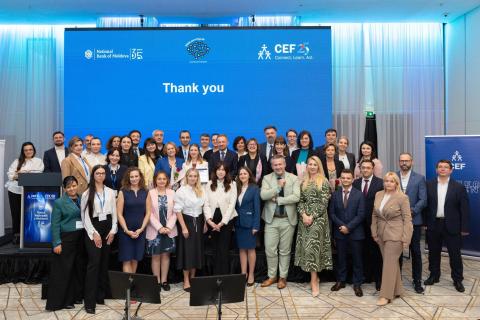
The National Bank of Moldova (NBM) has concluded the “NBM LearnOrgLab – Institutional Transformation into a Learning-Oriented Organisation” project, implemented with the support of the Centre of Excellence in Finance (CEF) in Ljubljana.
Launched three years ago, the project was a regional first and aimed to strengthen the NBM’s capability in professional development and knowledge transfer. The activities focused on three levels – individual, team and institutional – and contributed to the integration of continuous learning and knowledge sharing into the central bank’s day-to-day activities.
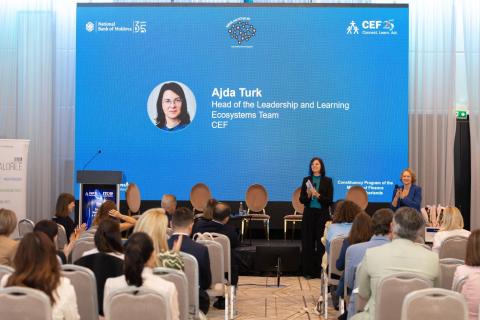
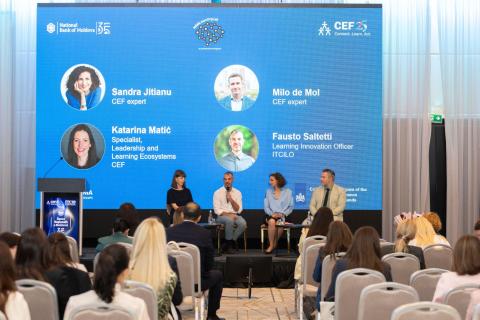
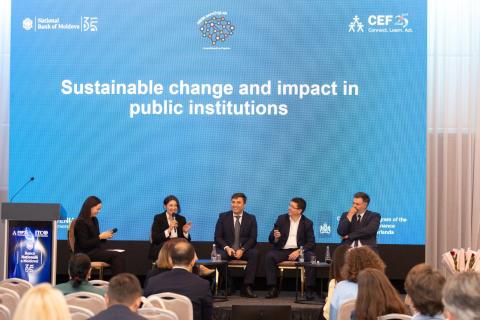
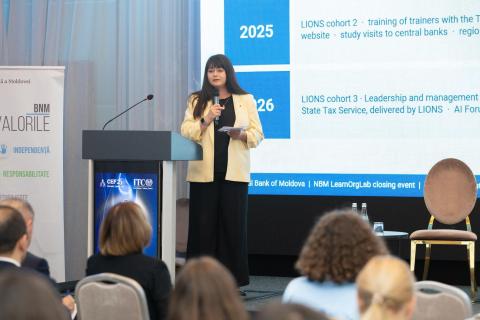
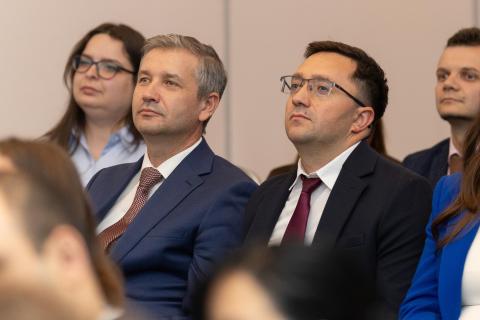
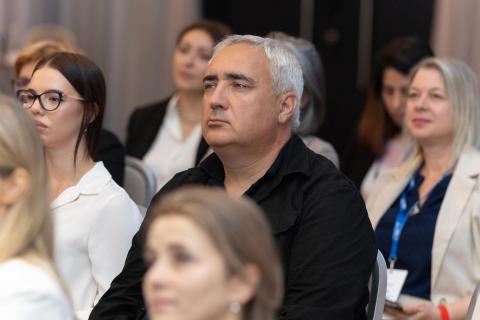
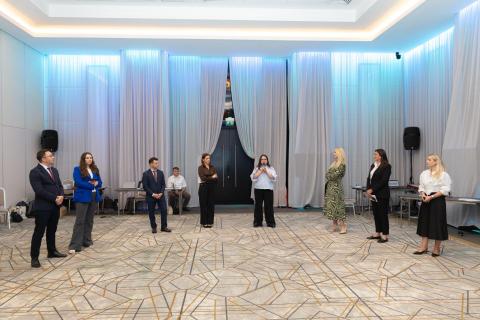
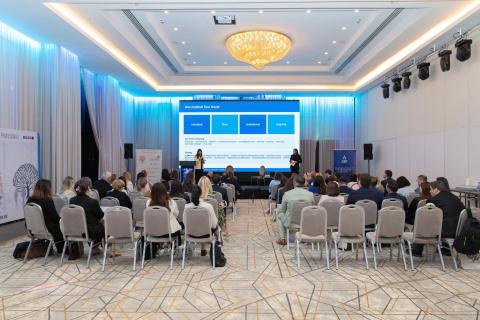
The event marking the conclusion of the project brought together representatives of the NBM and CEF leadership, experts, members of the internal trainers’ community, managers and employees involved in the project activities.
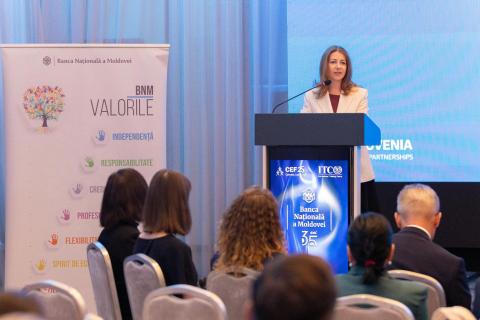
“We are concluding the project, but not the transformation process. We have a responsibility to make learning a natural part of the NBM’s culture, because an institution becomes stronger when the knowledge of its people is turned into progress for the organisation as a whole. Over these three years, we have built more than just programmes and tools,” said Ms Tatiana Ivanicichina, Deputy Governor of the NBM, at the NBM LearnOrgLab project closing event.
At the end of the project, the National Bank has strengthened professional communities, development programmes, learning tools and new mechanisms for collaboration. These results will be leveraged to develop human capital, enhance institutional capacity and expand knowledge sharing at national and regional level.
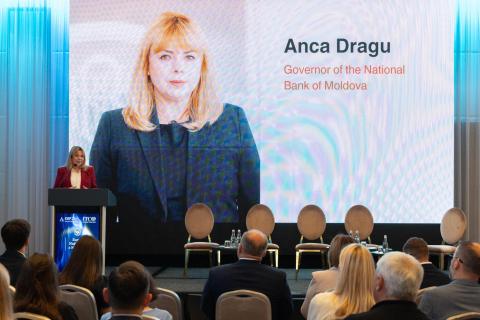
“The National Bank is part of one of the most important regional knowledge-sharing hubs in the financial sector. For us, this cooperation means access to experience, ideas and solutions that help us develop our people and our institution. It provides important support both for reforms in the banking and financial sector and for the Republic of Moldova’s European path. We would like to continue this partnership and, in turn, share the knowledge gained at the NBM with other public institutions in the country and the region, because sustainable reforms are built through strong institutions and well-prepared people,” said Ms Anca Dragu, Governor of the NBM, on the occasion of the conclusion of the NBM LearnOrgLab project.
“NBM LearnOrgLab demonstrates what can be achieved when an institution commits to becoming a learning organisation and develops its internal capability to support this change,” emphasised Ms Jana Repanšek, Director of CEF.
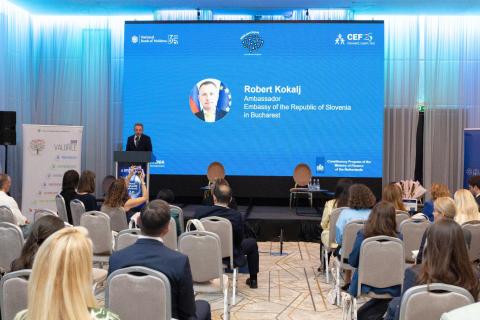
During the event, His Excellency Mr Robert Kokalj, Ambassador of the Republic of Slovenia to the Republic of Moldova, also reaffirmed Slovenia’s strong support for Moldova’s European path and its ongoing reform efforts. The Ambassador highlighted the close and friendly relations between the two countries and stressed the importance of resilient, efficient and transparent public institutions. Referring to the three-year cooperation between the Centre of Excellence in Finance and the National Bank of Moldova, he welcomed the project’s contribution to strengthening institutional capability, as well as the plans to continue cooperation in a redefined format.
The implementation of the project was made possible through financial support from the Ministry of Finance of the Kingdom of the Netherlands, as well as the Ministry of Finance of Slovenia and the Ministry of Foreign and European Affairs of Slovenia, through the International Cooperation and Assistance Programme.
The project was concluded as part of the international forum “Learning Organisations in the Age of AI”, held in Chișinău from 16 to 18 September 2026, jointly organised with CEF and the International Training Centre of the International Labour Organisation in Italy. The forum provided a platform for dialogue on how institutions can adapt to the changes brought about by artificial intelligence, develop their learning capacity and maintain human responsibility in decision-making.