Welcome to the official website of the National Bank of Moldova!
×
Do you have good eyesight and want to turn this tool off?



Welcome to the official website of the National Bank of Moldova!
You can choose one of the most popular reports from the list:
National Bank and the members of its decision-making bodies shall be independent in exercising the tasks conferred upon them by law, and shall neither seek nor take instructions from public authorities or from any other authority.
In order to ensure and maintain price stability over the medium term, the National Bank’s aim will be to keep inflation (measured by Consumer Price Index) at the level of 5.0 percent annually with a possible deviation of ± 1.5 percentage points, considered to be optimal for growth and development of Moldova's economy over the medium-term.

Financial stability is achieved by strengthening the resilience of the financial system, limiting the contagion effect and reducing the accumulation of systemic risks, thus contributing to the sustainability of the financial sector and economic growth.
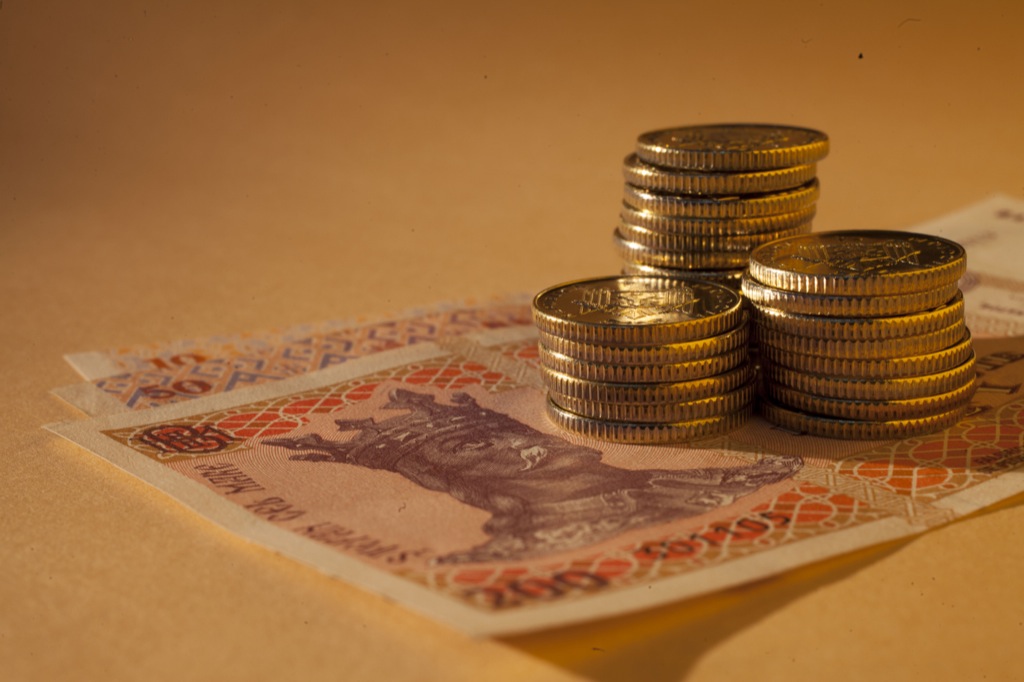
National Bank shall have the exclusive right to issue on the territory of the Republic of Moldova banknotes and coins as legal tender, as well as commemorative and jubilee banknotes and coins as legal tender and for numismatic purposes.

National Bank is exclusively responsible for the licencing, supervision and regulation of financial institutions activity.
National Bank of Moldova acts as banker and fiscal agent of the State and shall receive from state bodies economic and financial information and documents, which are necessary for carrying out its tasks.
National Bank of Moldova is an autonomous public legal entity and is responsible to the Parliament.

National Bank shall inform the public on the monetary policy strategy on the results of the macroeconomic analysis, the evolution of the financial market and on statistics, including with regard to monetary supply, crediting, balance of payments and the state of the foreign exchange market.
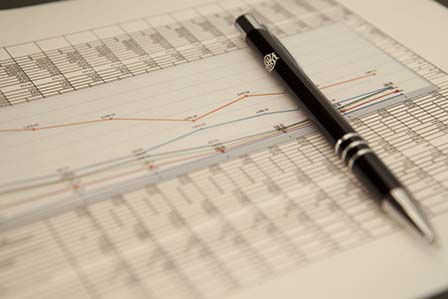
National Bank of Moldova is responsable for the compilation of the balance of payments, international investment position and the statistics of the external debt of the Republic of Moldova.
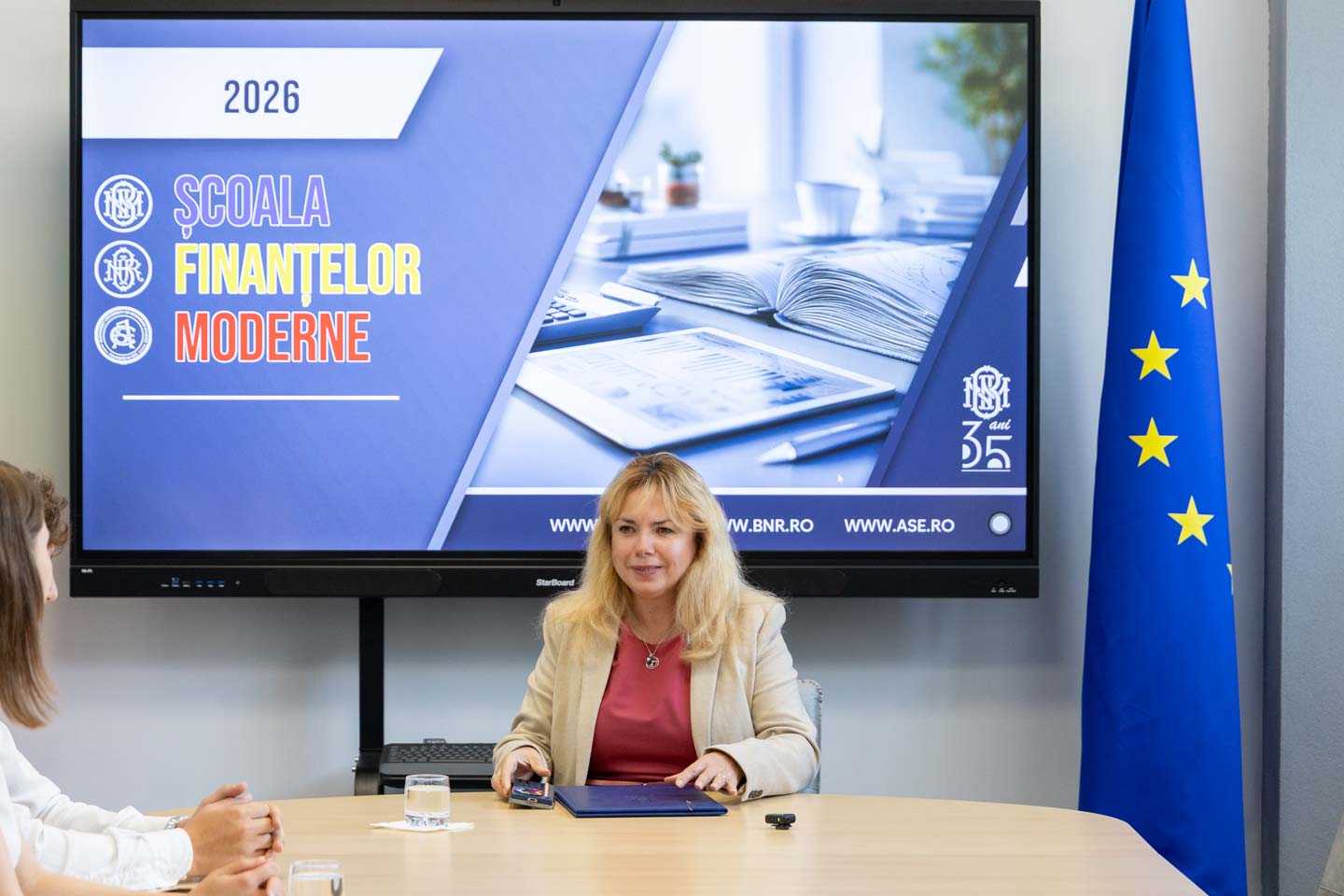
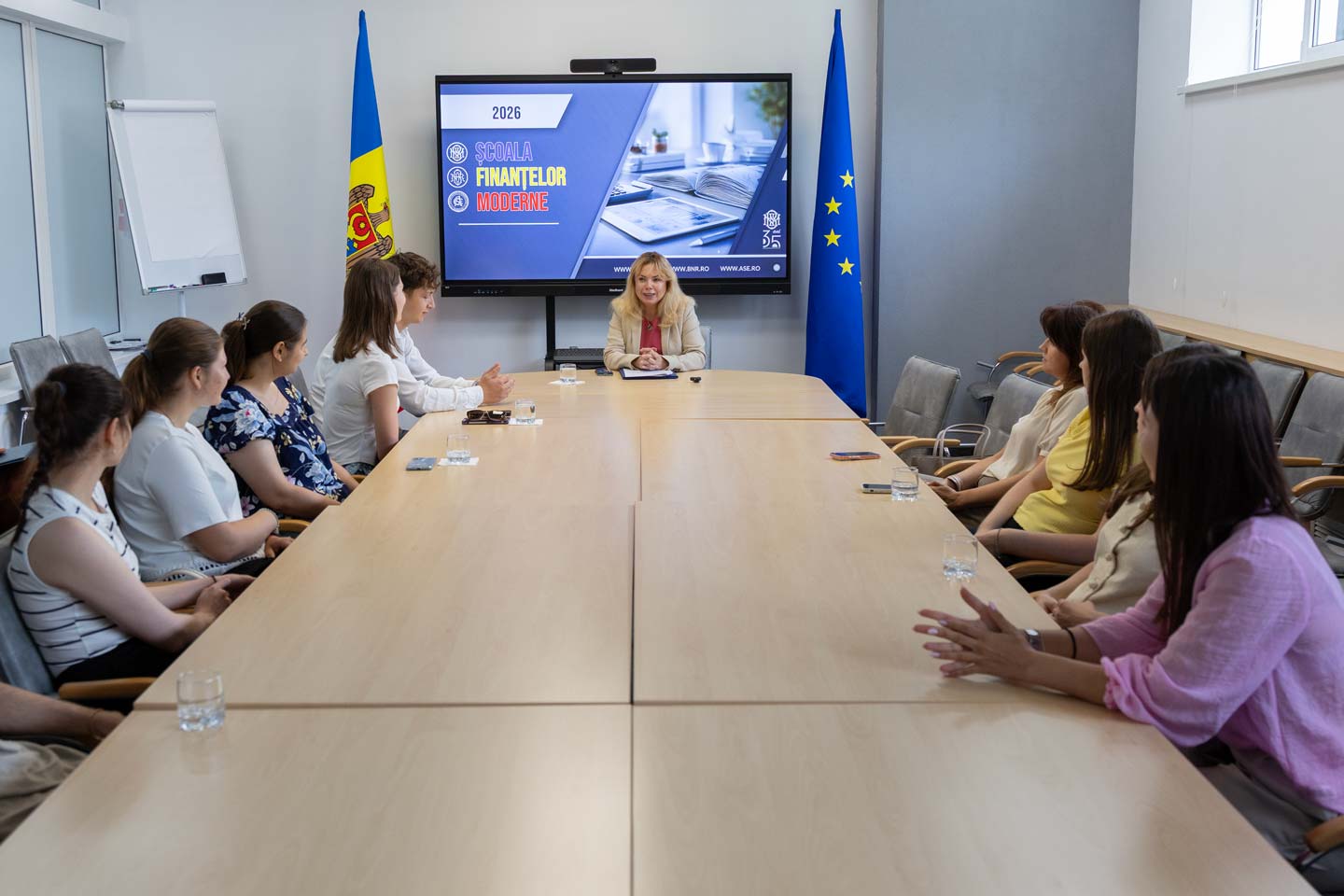

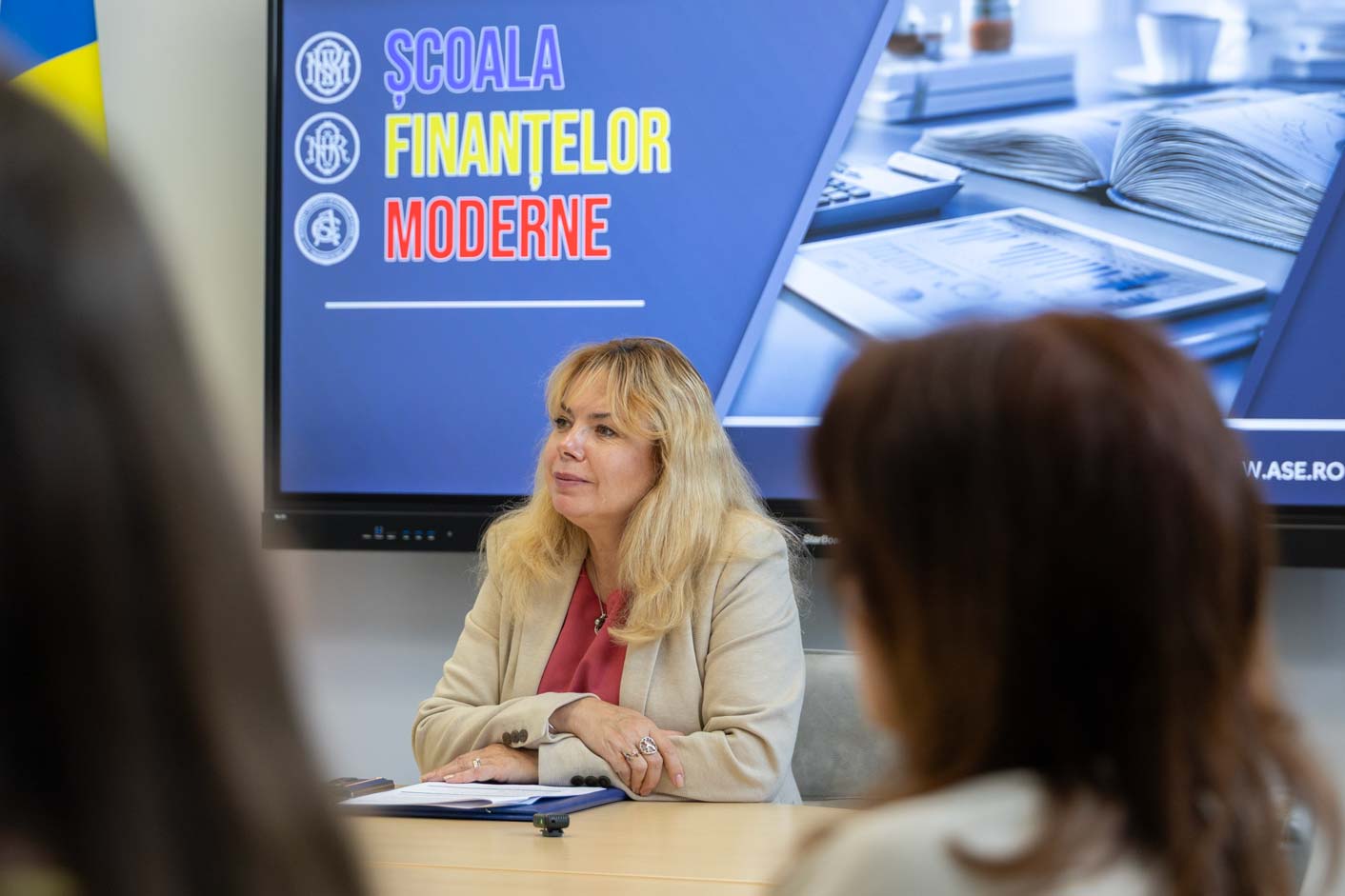

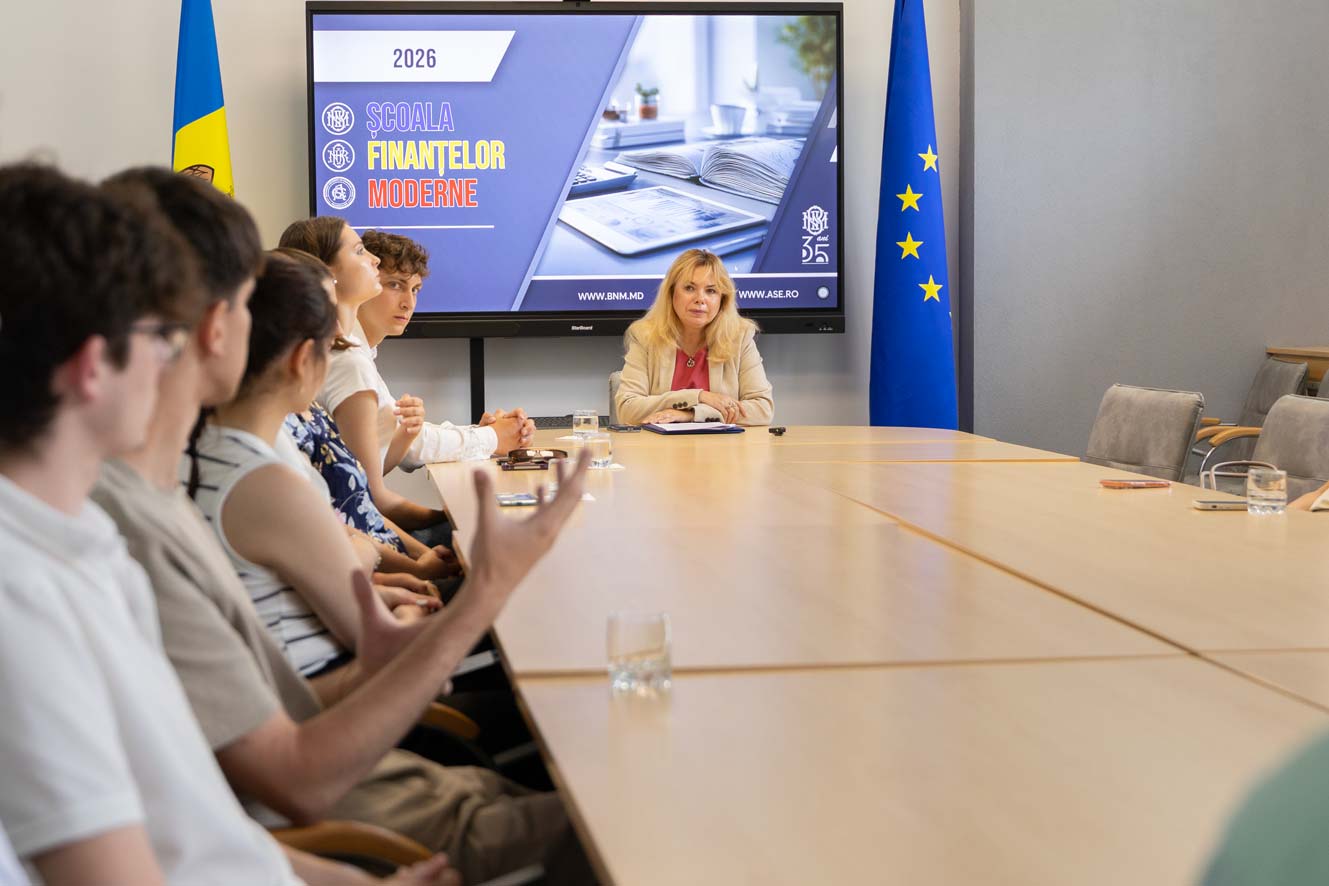
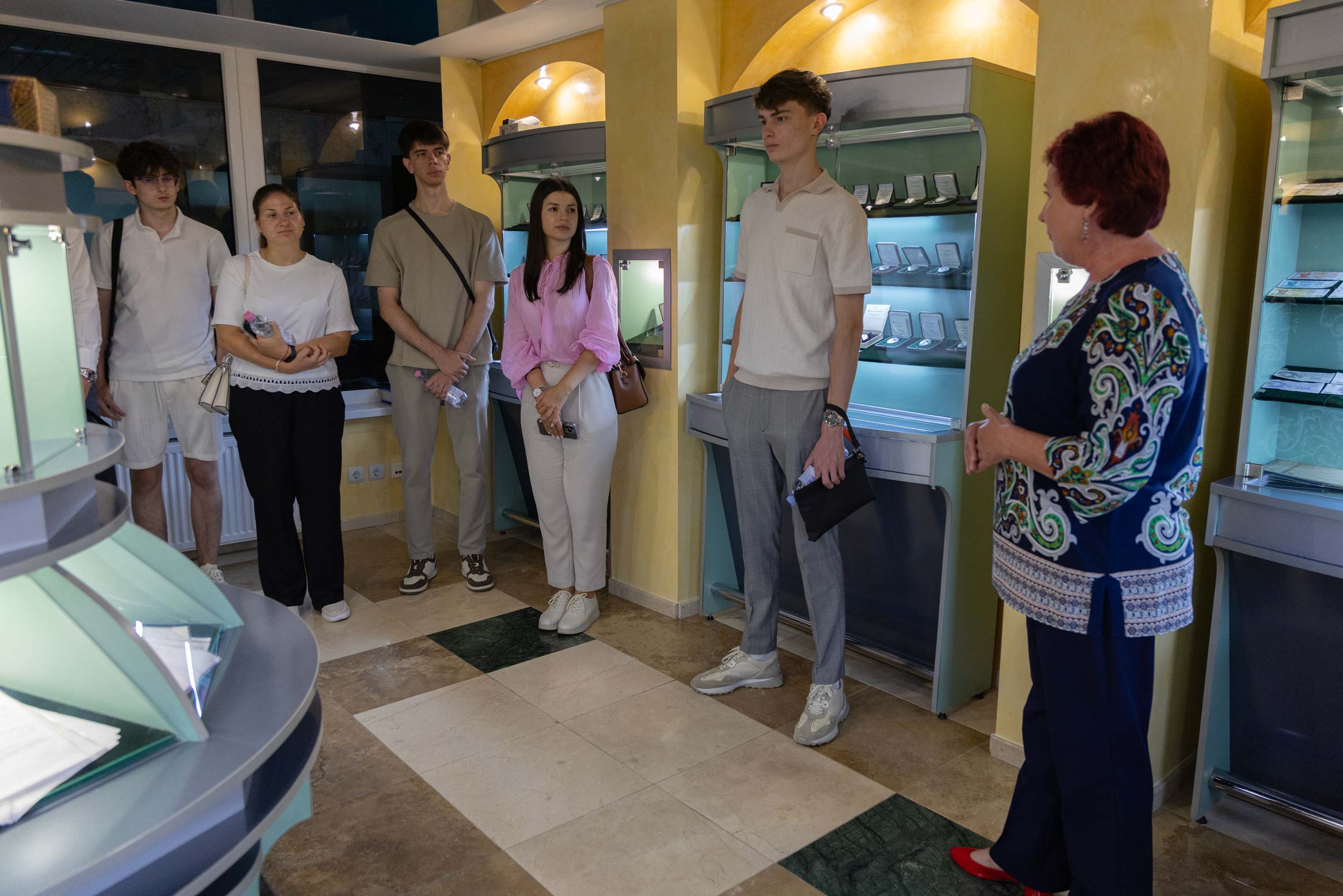
The Governor of the National Bank of Moldova (NBM), Ms Anca Dragu, met today with students and master's students from the Academy of Economic Studies of Moldova (ASEM), selected through a competitive process to participate in the first edition of this year's School of Modern Finance programme.
The meeting took place prior to the students' departure for Romania, where the programme will begin on Saturday, 25 July, and run until 2 August 2026. Now in its sixth edition, the School of Modern Finance project is organised by the NBM in partnership with the National Bank of Romania (NBR) and the Bucharest University of Economic Studies (ASE).
The discussion focused on education, professional development and the role of the next generation of specialists in building a modern and competitive economy. The NBM Governor stressed that investing in education is, above all, an investment in people, encouraging the students to make the most of every stage of the programme as an opportunity for both professional and personal development.
"Education is the safest and most sustainable investment a society can make. I encourage you to make the most of this experience, ask questions, share your ideas and look beyond formulas and indicators when thinking about the economy. The knowledge you gain will become even more valuable when you pass it on to others, including through financial education activities in rural communities. By the end of the programme, you will become ambassadors for financial education," Ms Anca Dragu emphasised.
The programme will include lectures, practical discussions and meetings with experienced professionals and academics, providing participants with the opportunity to gain a deeper understanding of economic and financial mechanisms and to appreciate the connection between the concepts they study and the realities of the economy. The academic component will be complemented by visits to Iași, Sinaia, Brașov and Suceava, enabling participants to discover Romania's cultural and historical heritage.
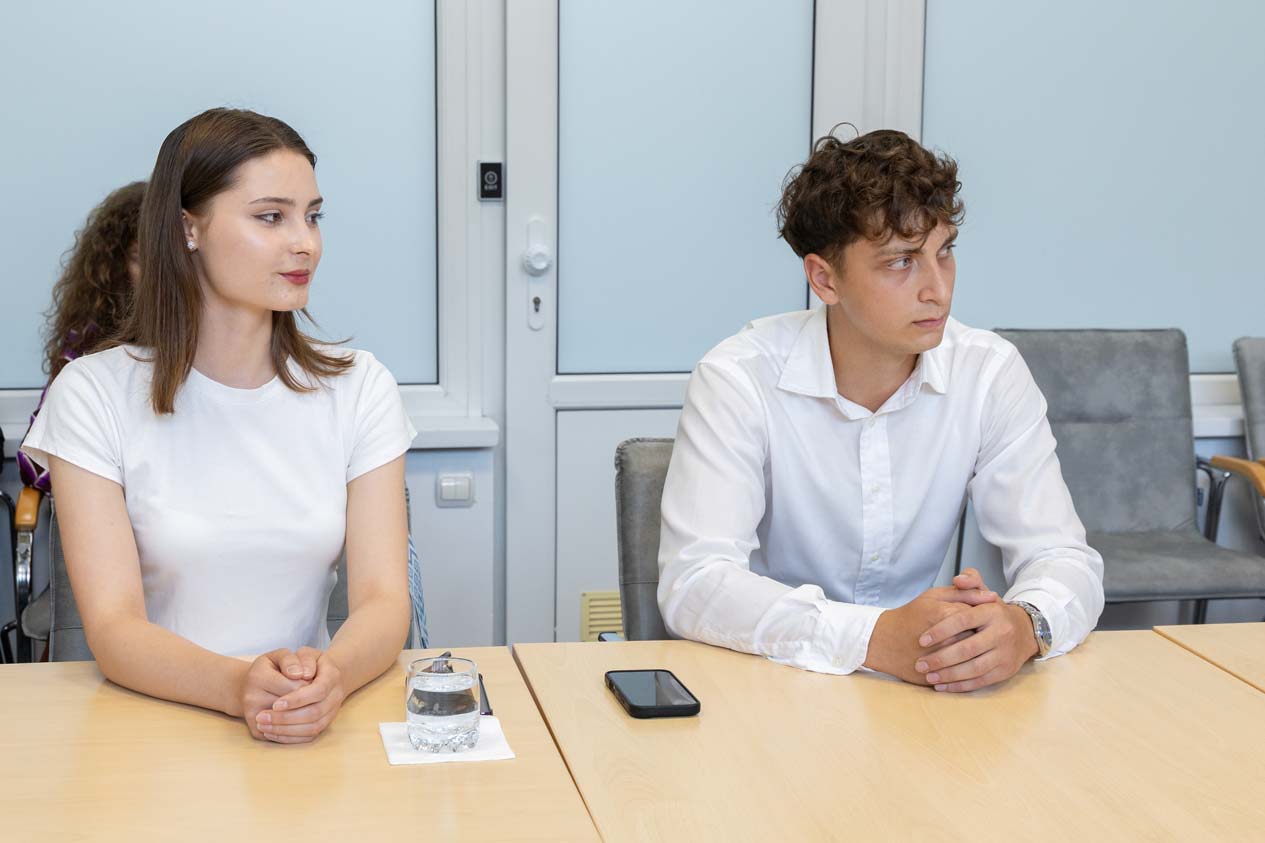
During the meeting with the Governor of the National Bank of Moldova, the students spoke about their expectations for the programme and their desire to deepen their knowledge, discover new approaches and further develop their analytical thinking.
- "I chose to take part in this programme because I was attracted by its practical focus and by the fact that it brings financial education closer to people, including those living in rural communities. It is important that what we learn can be applied in everyday life."
- "For us, this experience represents an opportunity to study in a different environment, outside our home country, and to gain new perspectives on the banking and financial sector."
- "Mobility programmes such as this are important because they allow us to exchange experiences, learn about different ways of working and return home with fresh ideas and new knowledge."
- "I appreciated that the initiative is not confined to urban areas but also aims to bring financial education to rural communities. This is an important step towards ensuring that this knowledge reaches as many people as possible."
Upon completing the programme, the students will share the knowledge they have acquired by organising financial education activities in rural communities for people of all ages. Through accessible explanations and practical examples, they will help participants gain a better understanding of economic realities and make informed financial decisions. For the students themselves, this stage will also provide an opportunity to strengthen their communication skills, sense of responsibility and mastery of the subject matter.
A second session of the programme will be organised this autumn for journalism students from Moldova State University (MSU), as well as media professionals covering financial education topics.
The School of Modern Finance programme contributes to the development of future economists and journalists while fostering a strong economic culture. By sharing the knowledge they acquire with local communities and the wider public, participants extend the programme's impact across society.


