Bine ați venit pe pagină oficială a Băncii Naționale a Moldovei!
×
Ai vederea bună și dorești să închizi acest instrument?



Bine ați venit pe pagină oficială a Băncii Naționale a Moldovei!
Cele mai populare rapoarte statistice:

Banca Naţională şi membrii organelor de conducere ale acesteia sunt independenţi în exercitarea atribuţiilor stabilite de lege şi nu pot solicita şi nici accepta instrucţiuni de la autorităţile publice sau de la orice altă autoritate.

Banca Naţională informează publicul despre evoluția inflației anuale, strategia de politică monetară,rezultatele analizei macroeconomice, evoluţiei pieţei financiare şi informaţia statistică, inclusiv privind masa monetară, acordarea creditelor, balanţa de plăţi şi situaţia pieţei valutare.
Pentru asigurarea şi menţinerea stabilităţii preţurilor pe termen mediu, Banca Naţională a Moldovei menţine inflaţia (măsurată prin indicele preţurilor de consum) la nivelul de 5.0 la sută anual cu o posibilă abatere de ± 1.5 puncte procentuale, fiind considerat nivelul optim pentru creşterea şi dezvoltarea economică a Republicii Moldova pe termen mediu.

Stabilitatea financiară se realizează prin consolidarea rezilienței sistemului financiar, limitarea efectului de contagiune și diminuarea acumulării de riscuri sistemice, contribuind, astfel, la sustenabilitatea sectorului financiar și creșterea economică.
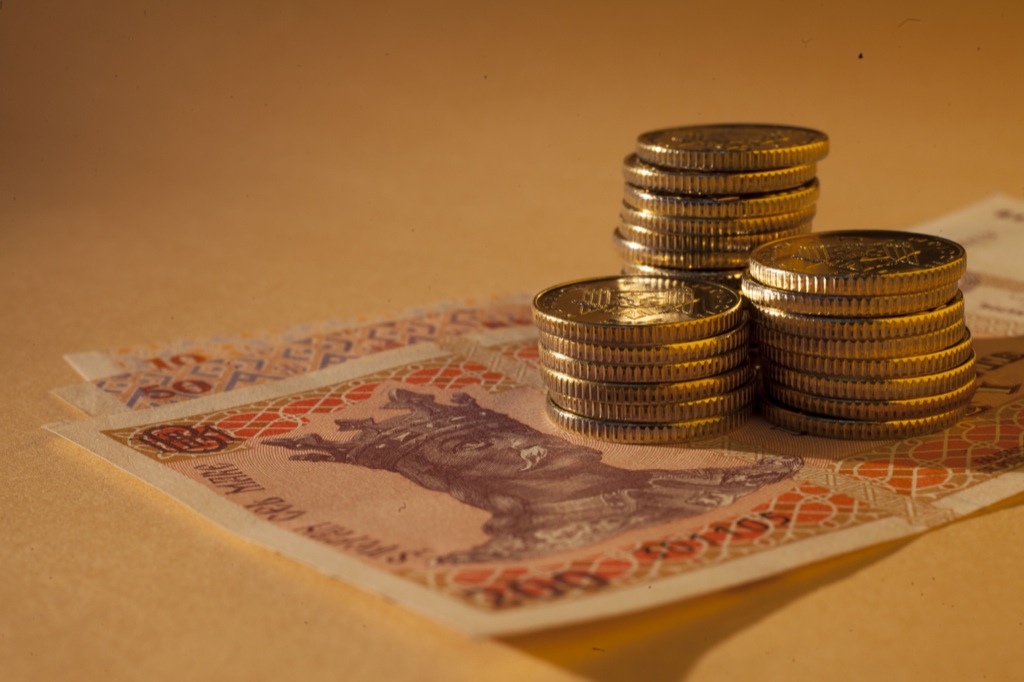
Banca Naţională a Moldovei, are dreptul exclusiv de a emite pe teritoriul Republicii Moldova bancnote şi monede metalice ca mijloc de plată. BNM pune în circulaţie bancnote şi monede metalice, prin intermediul sistemului bancar.

Banca Naţională este unica instituţie care efectuează licenţierea, supravegherea şi reglementarea activităţii instituţiilor financiare.

Banca Națională supraveghează sistemul de plăţi în Republica Moldova şi promovează funcţionarea stabilă şi eficientă a sistemului automatizat de plăţi interbancare.

Banca Naţională este o persoană juridică publică autonomă şi este responsabilă faţă de Parlament.

BNM publică statistici privind masa monetară, sectorul bancar, balanța de plăți, situația pieței valutare, etc. pentru a asigura transparența în procesul de elaborare și adoptare a deciziilor BNM, a asigura continuitatea în comunicare și predictibilitatea BNM pe piață, pentru sporirea credibilității BNM în calitate de bancă centrală dar și pe piața financiar-bancară din Republica Moldova.
Over 100 officials, external financial analysts, bankers, businessmen, development partners, independent experts etc., reunited on 24 September 2019 in Chisinau to talk about the development perspectives of the financial market in the Republic of Moldova.
The organizers of the conference “Development of Financial Instruments in the Republic of Moldova”, the National Bank of Moldova (NBM) and the CFA Society Romania, had the purpose to make an exchange of experience between the professional investors from Moldova and those from abroad, in order to support the development of the financial market and implement professional excellence in the financial sector of the Republic of Moldova.
The conference tackled the topic of development opportunities and challenges of financial instruments, management of currency risk and the access of investors on the financial markets.
In his welcome speech, the Governor of the NBM, Mr. Octavian Armasu spoke about the importance of deepening the knowledge about the implementation of financial instruments and identification of related risks. “We want to identify the needs of the business environment and households, to find the solutions that the financial system can provide at the moment, and eventually, the new instruments or mechanisms that we can take from our partners and colleagues”, underlined the head of the bank. At the same time, Mr. Armasu emphasized the role of the monetary policy in the creation of pre-conditions for the initiation of investment activities and making decisions in the business environment: “The development of financial markets and diversification of existing instruments on these markets can provide additional leverage for the improvement of monetary transmission”.
In his speech, the president of the National Commission for Financial Markets (NCFM), Mr. Valeriu Chitan, made a call to the institutions from the field: “We need to change our thinking and implement a mixture of convergent structural, tax and monetary policies in order to create an authentic and attractive environment for the new instruments traded on the local market, including the capitalizing of a customized synergy”.
In his turn, the State Secretary of the Ministry of Finance, Mr. Sergiu Luca explained that “the large access to the state securities (SS) is a paramount element for the development of the capital market in Moldova, which is essential for any market economy to deepen and expand the access to financing for all economic operators”.
Anna Akhalkatsi, the director of the Bureau of the World Bank in the Republic of Moldova specified that the local financial markets and financial instruments can not develop without solid macroeconomic policies, strong institutions and a solid regulation framework. “Proper sequencing of the reforms, including synchronization with the reforms in other areas like rule of law and business environment, is important”, stated the official of the World Bank.
The permanent representative of the Monetary Fund in the Republic of Moldova, Mr. Volodymyr Tulin declared, on the same note, that: “Financial market development has the potential to provide important benefits, such as mobilizing cheaper and more stable financing. To facilitate its development, policymakers need to overcome challenges related to the small size of domestic economies, structural factors, and influence of vested interests.”
The subject was continued by the official of the EBRD in the Republic of Moldova, Ms. Angela Sax: “We all have been busy putting the banking sector back on track. Slowly but surely the confidence in the Moldovan lenders has been restored. But the trust for the local currency remains an issue. The EBRD stands ready to help Moldova develop local capital and currency markets and avoid overreliance of foreign funding and foreign currency lending. Local capital markets will be able to provide the Moldovan economy with more alternatives to bank financing, fostering increased economic growth and a more sustainable financial sector.”
In the context of asserting the need to develop financial instruments, the representative of the Board of Directors of CFA Society Romania, Ms. Maria Duduman underlined that the CFA certification is one of the most prestigious in the world among the professionals of the financial sector: “The organization is a champion in respect of ethical and professional conduct on the investment markets, and an appreciated source of knowledge within the global financial community. The final purpose of the CFA Institute is to create an environment where the interests of investors are respected, the markets work at the highest level and the economy is growing.”
Another member of the Board of Directors of CFA Society Romania, Ms. Andreea Nica expressed her conviction that “the Republic of Moldova has an extraordinary opportunity because it can “burn stages” in the implementation of certain products and financial instruments which registered good practices regarding their distribution, understanding of their role, compliance with the needs of companies and population.”
This is the first conference held in Chisinau with the participation of representative of CFA Society Romania, which gathers the best specialists certified in the financial industry. The CFA qualification is administered by the CFA Institute (USA) was awarded to more than 165,000 professionals in the world.


