Bine ați venit pe pagină oficială a Băncii Naționale a Moldovei!
×
Ai vederea bună și dorești să închizi acest instrument?



Bine ați venit pe pagină oficială a Băncii Naționale a Moldovei!
Cele mai populare rapoarte statistice:
Banca Naţională şi membrii organelor de conducere ale acesteia sunt independenţi în exercitarea atribuţiilor stabilite de lege şi nu pot solicita şi nici accepta instrucţiuni de la autorităţile publice sau de la orice altă autoritate.

Banca Naţională informează publicul despre evoluția inflației anuale, strategia de politică monetară,rezultatele analizei macroeconomice, evoluţiei pieţei financiare şi informaţia statistică, inclusiv privind masa monetară, acordarea creditelor, balanţa de plăţi şi situaţia pieţei valutare.

Pentru asigurarea şi menţinerea stabilităţii preţurilor pe termen mediu, Banca Naţională a Moldovei menţine inflaţia (măsurată prin indicele preţurilor de consum) la nivelul de 5.0 la sută anual cu o posibilă abatere de ± 1.5 puncte procentuale, fiind considerat nivelul optim pentru creşterea şi dezvoltarea economică a Republicii Moldova pe termen mediu.
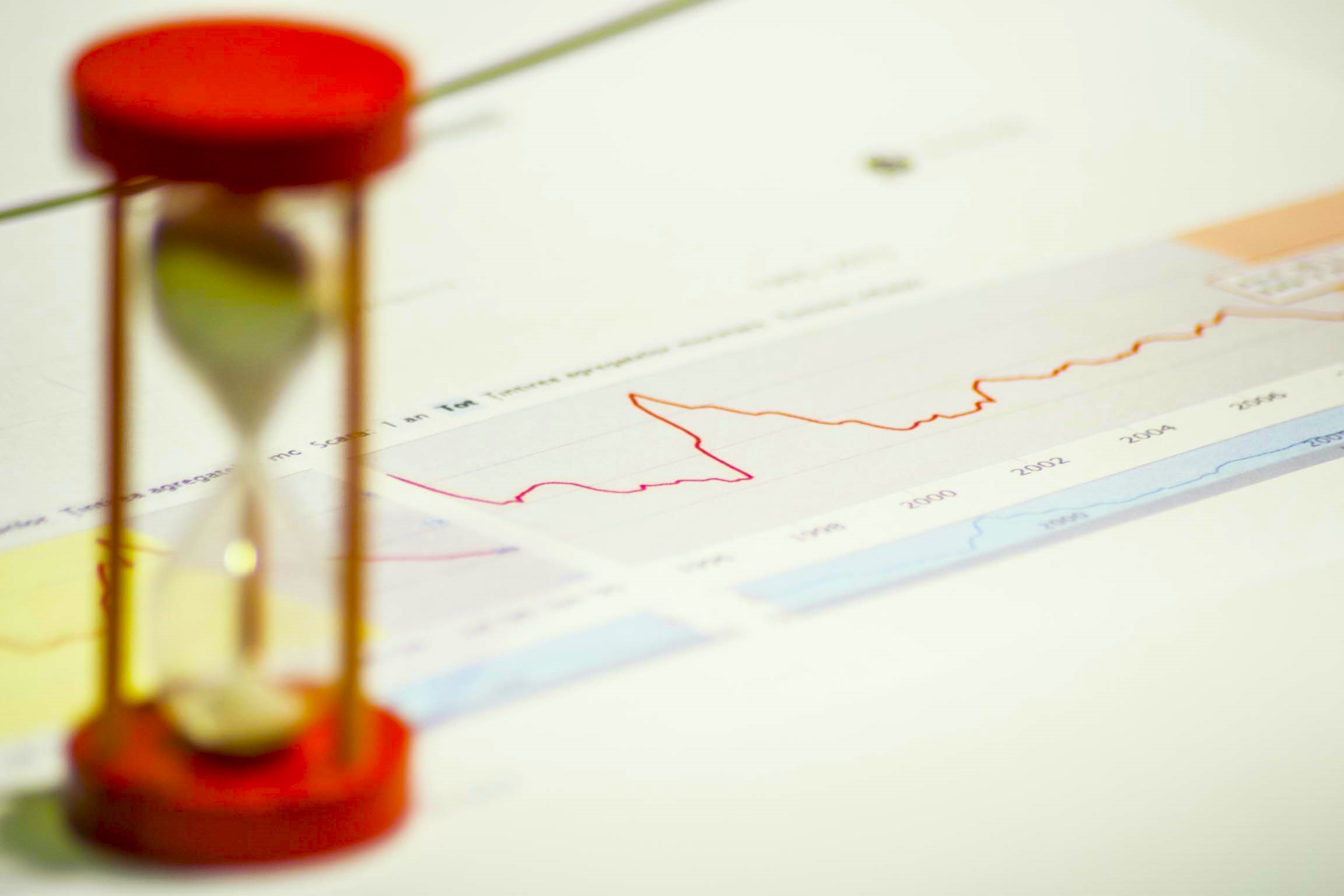
Stabilitatea financiară se realizează prin consolidarea rezilienței sistemului financiar, limitarea efectului de contagiune și diminuarea acumulării de riscuri sistemice, contribuind, astfel, la sustenabilitatea sectorului financiar și creșterea economică.
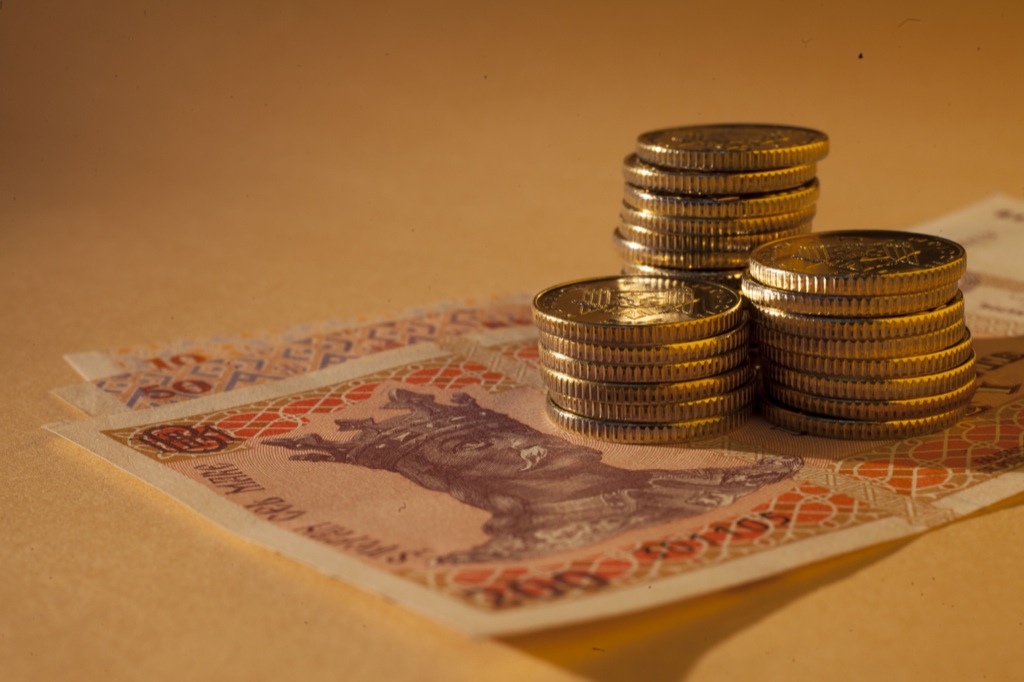
Banca Naţională a Moldovei, are dreptul exclusiv de a emite pe teritoriul Republicii Moldova bancnote şi monede metalice ca mijloc de plată. BNM pune în circulaţie bancnote şi monede metalice, prin intermediul sistemului bancar.

Banca Naţională este unica instituţie care efectuează licenţierea, supravegherea şi reglementarea activităţii instituţiilor financiare.
Banca Națională supraveghează sistemul de plăţi în Republica Moldova şi promovează funcţionarea stabilă şi eficientă a sistemului automatizat de plăţi interbancare.
Banca Naţională este o persoană juridică publică autonomă şi este responsabilă faţă de Parlament.
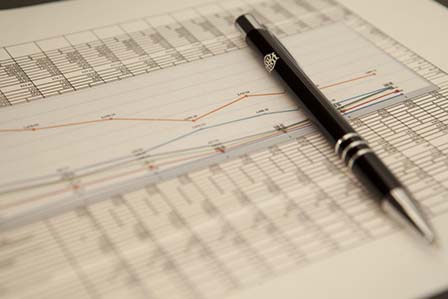
BNM publică statistici privind masa monetară, sectorul bancar, balanța de plăți, situația pieței valutare, etc. pentru a asigura transparența în procesul de elaborare și adoptare a deciziilor BNM, a asigura continuitatea în comunicare și predictibilitatea BNM pe piață, pentru sporirea credibilității BNM în calitate de bancă centrală dar și pe piața financiar-bancară din Republica Moldova.
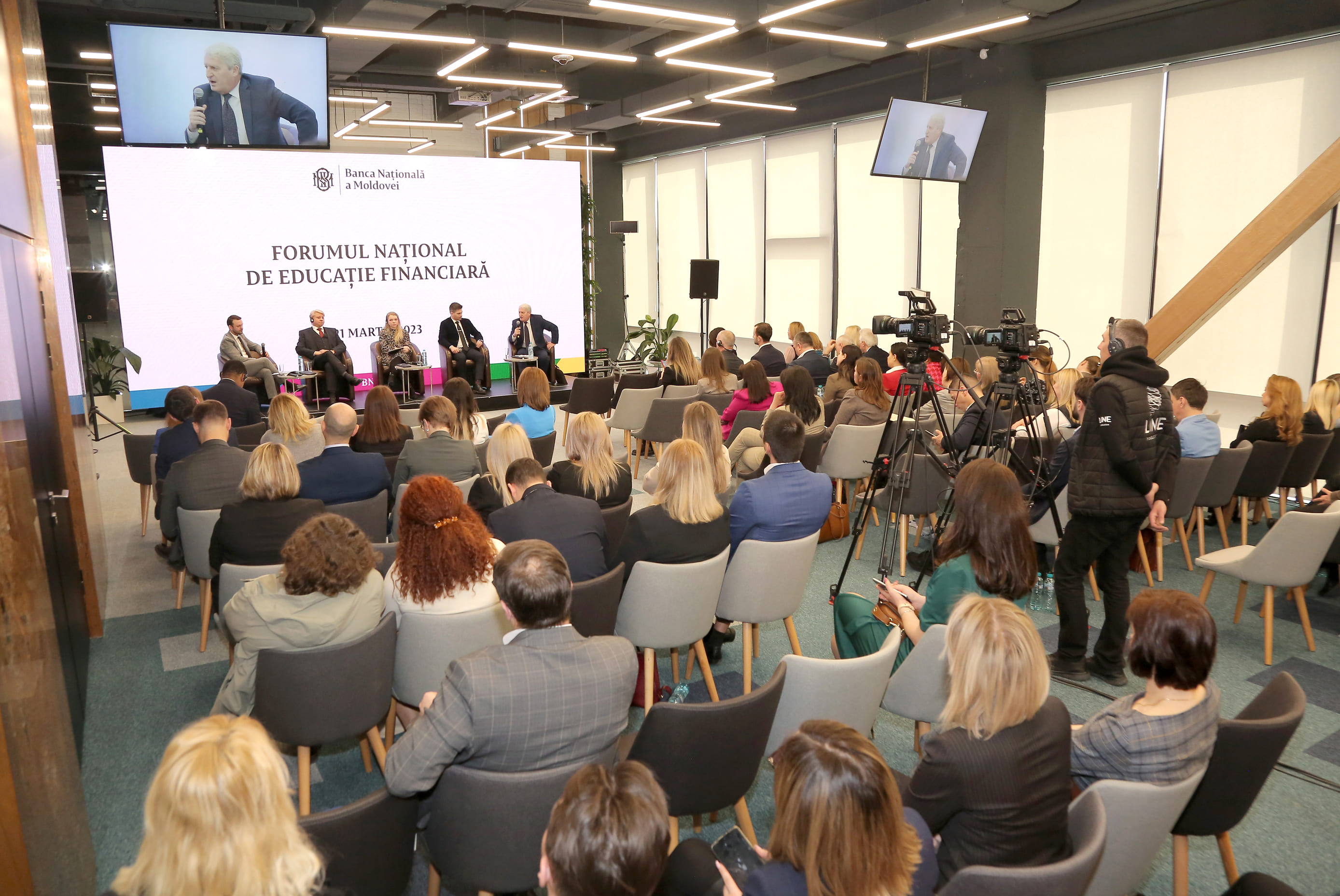
Video LIVE// The first Forum for Financial Education in the Republic of Moldova
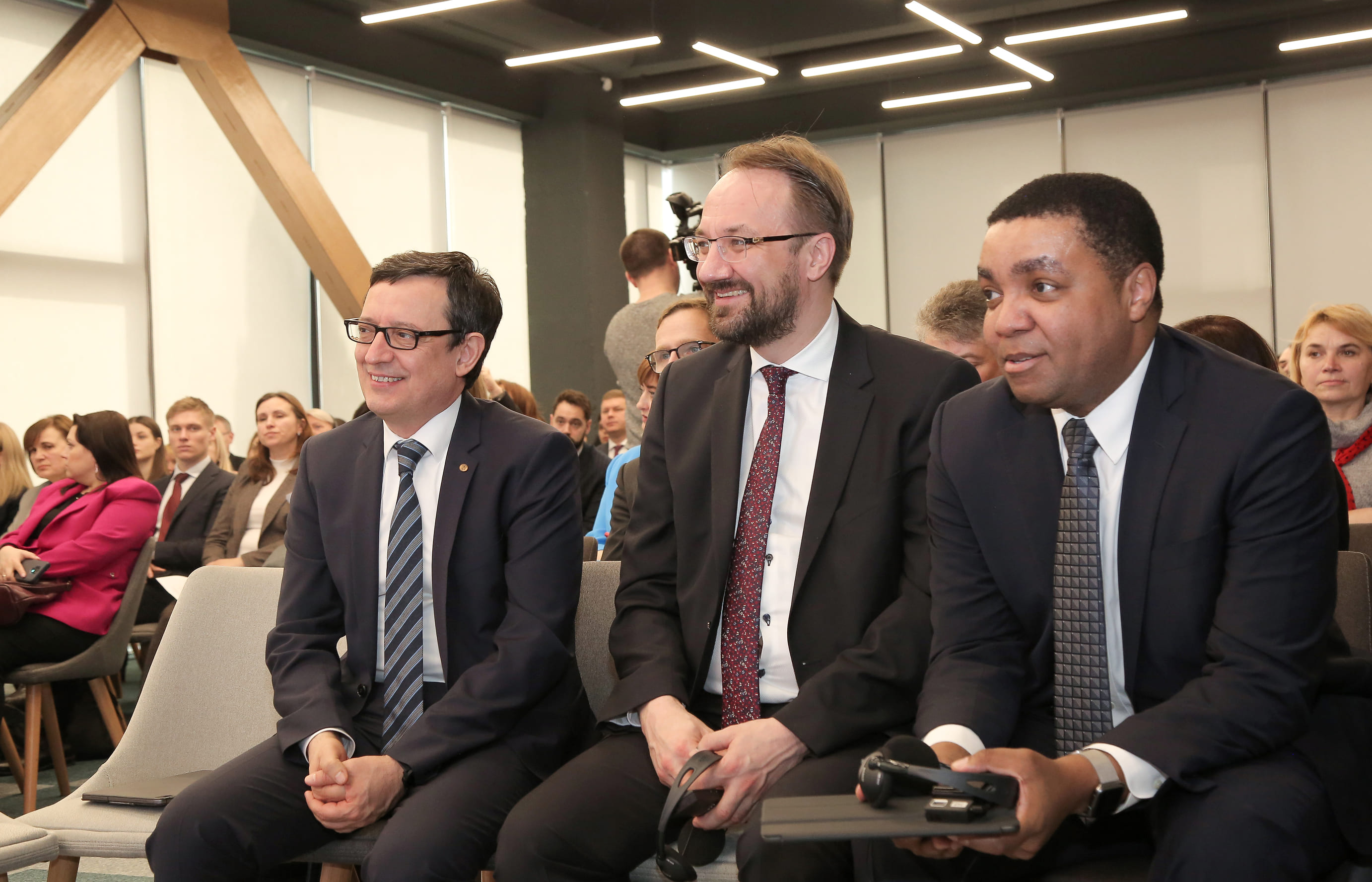
The first Forum for Financial Education, organized in Chisinau by the National Bank of Moldova (NBM), created a platform for discussions among officials, external partners and civil society and launched an initiative to work out the financial education strategy in the Republic of Moldova.
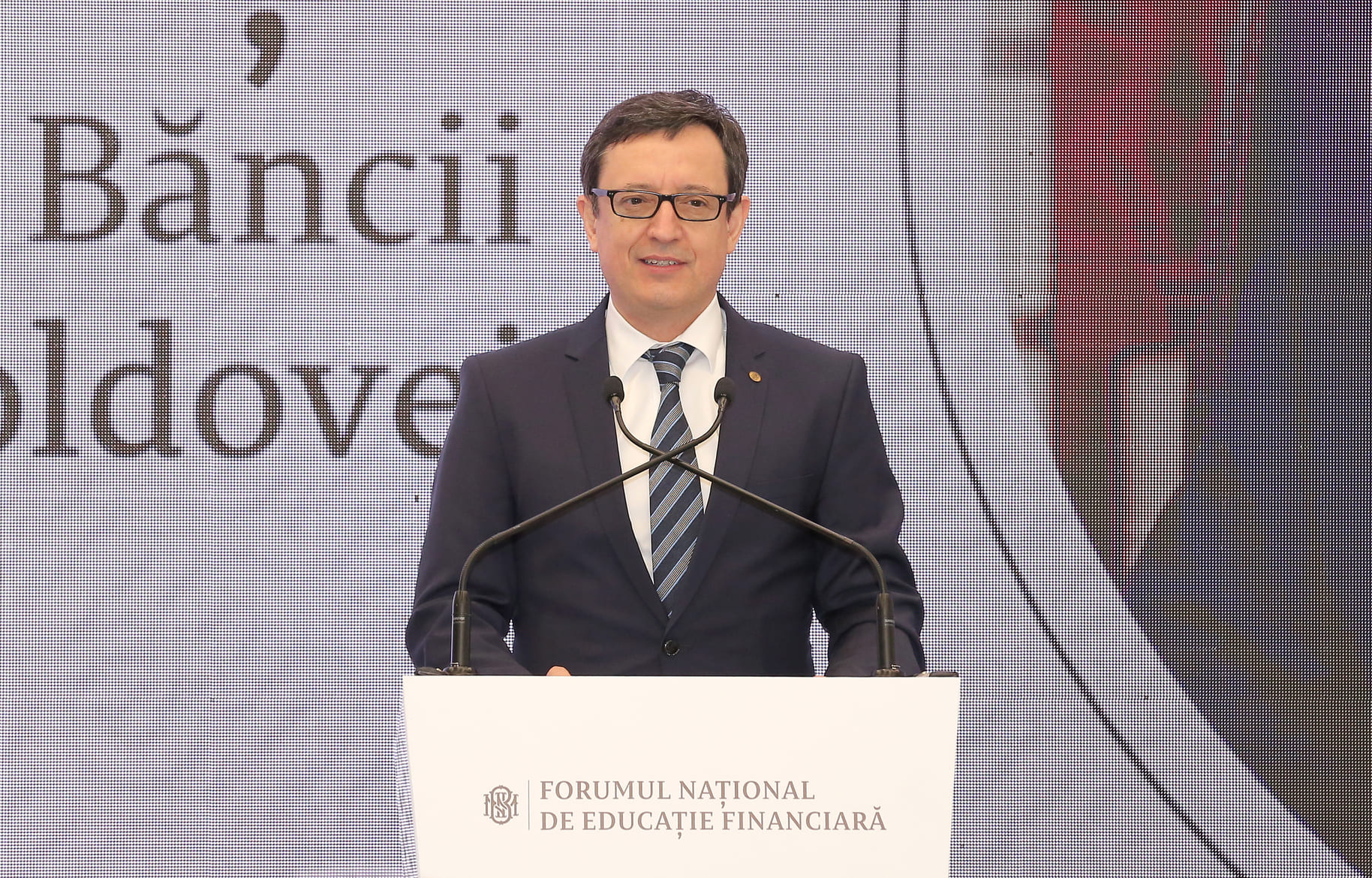
At the opening of the meeting, the speakers noted the importance of financial education in supporting citizens to properly manage their resources and the development of a strong economy. In this sense, the governor of the National Bank of Moldova, Octavian Armașu, urged the authorities and civil society to join their efforts. “Financial education has become imperative to modern life. This strategy will systematize authorities’ and citizens’ actions aimed at leading to such a society. It will institutionalize training in the financial sector, will make permanent the discussion on financial topics to help citizens to manage uncertainties related to money and make the economy stronger and more attractive for investments”, said Octavian Armașu.
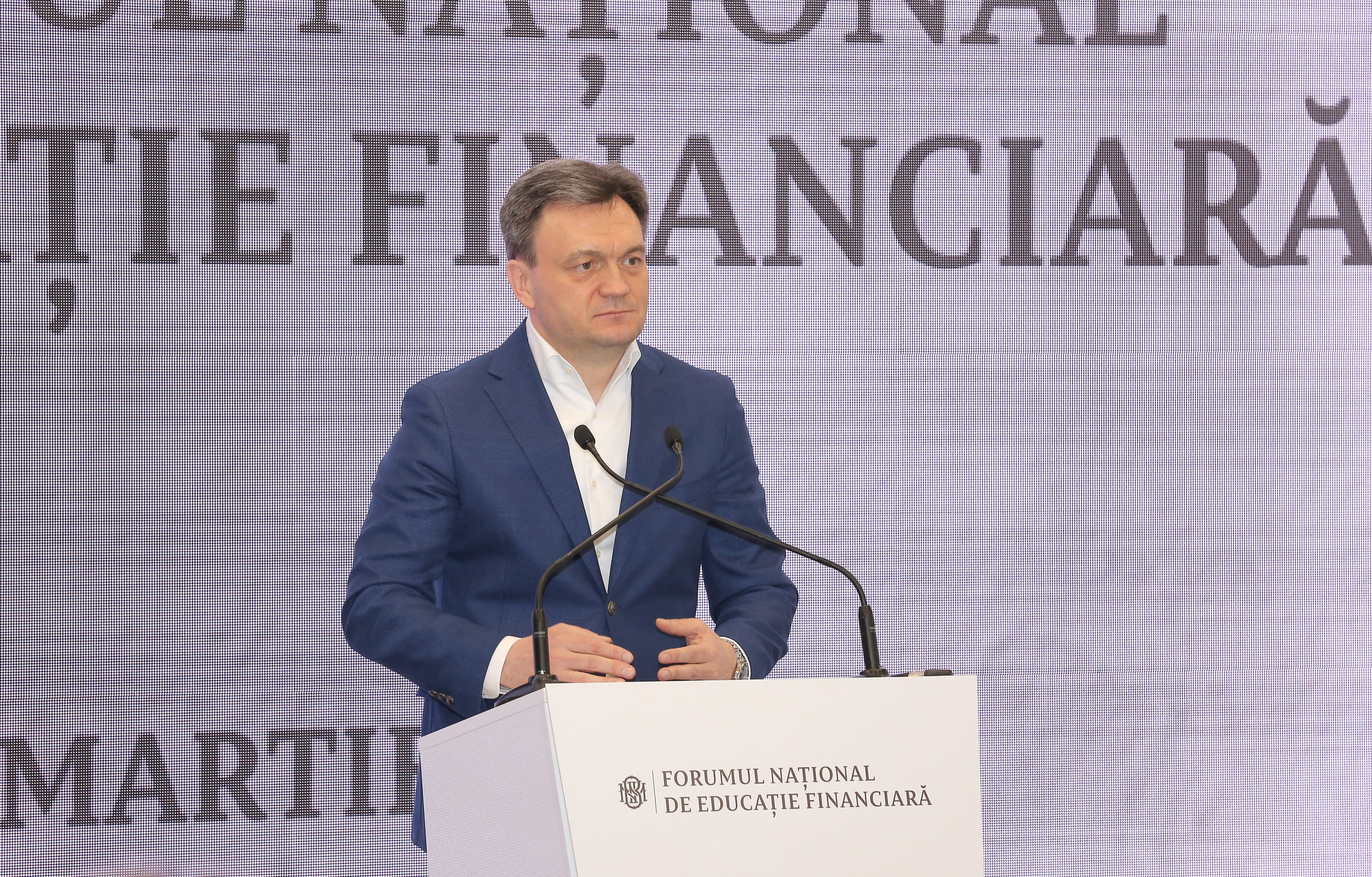
In his welcoming speech, the Prime Minister of the Republic of Moldova, Dorin Recean, underlined that financial education is decisive in developing the young generation and the entrepreneurial spirit. “It is compulsory to promote financial education starting with school, among students, then at university, but also within banks where people open an account... Financial education is needed to progress and create an entrepreneurial class that knows what a resource is and how to use it effectively. It is not an easy task, and financial knowledge offers sustainability”, Prime Minister Dorin Recean stated.
Radu Marian, chairman of the Parliamentary Commission for Economic, Budget and Finance Committee, emphasized that financial education “is the key to prosperity” “Citizens should know what money, credits, debts are, how taxes and fees work. Many of the citizens of the Republic of Moldova lived under the conditions of a centralized economy. Now they should be helped to go through this transformation. Personal initiative should be promoted. Now, the citizen is at the centre of the economy, not the government”, stressed Radu Marian.
Present at the event, during his official visit to the Republic of Moldova, the governor of Lietuvos Bankas, Gediminas Šimkus, pointed out that the central bank of Lithuania has made financial education its strategic objective and hence, congratulated the NBM for having drawn such a priority. “The approach to financial education represents a holistic aspect. So, we need all institutions to work from this perspective - ministries, banks - and I believe Moldova also has a similar situation. Financial literacy is a big and difficult task”, said Gediminas Šimkus.
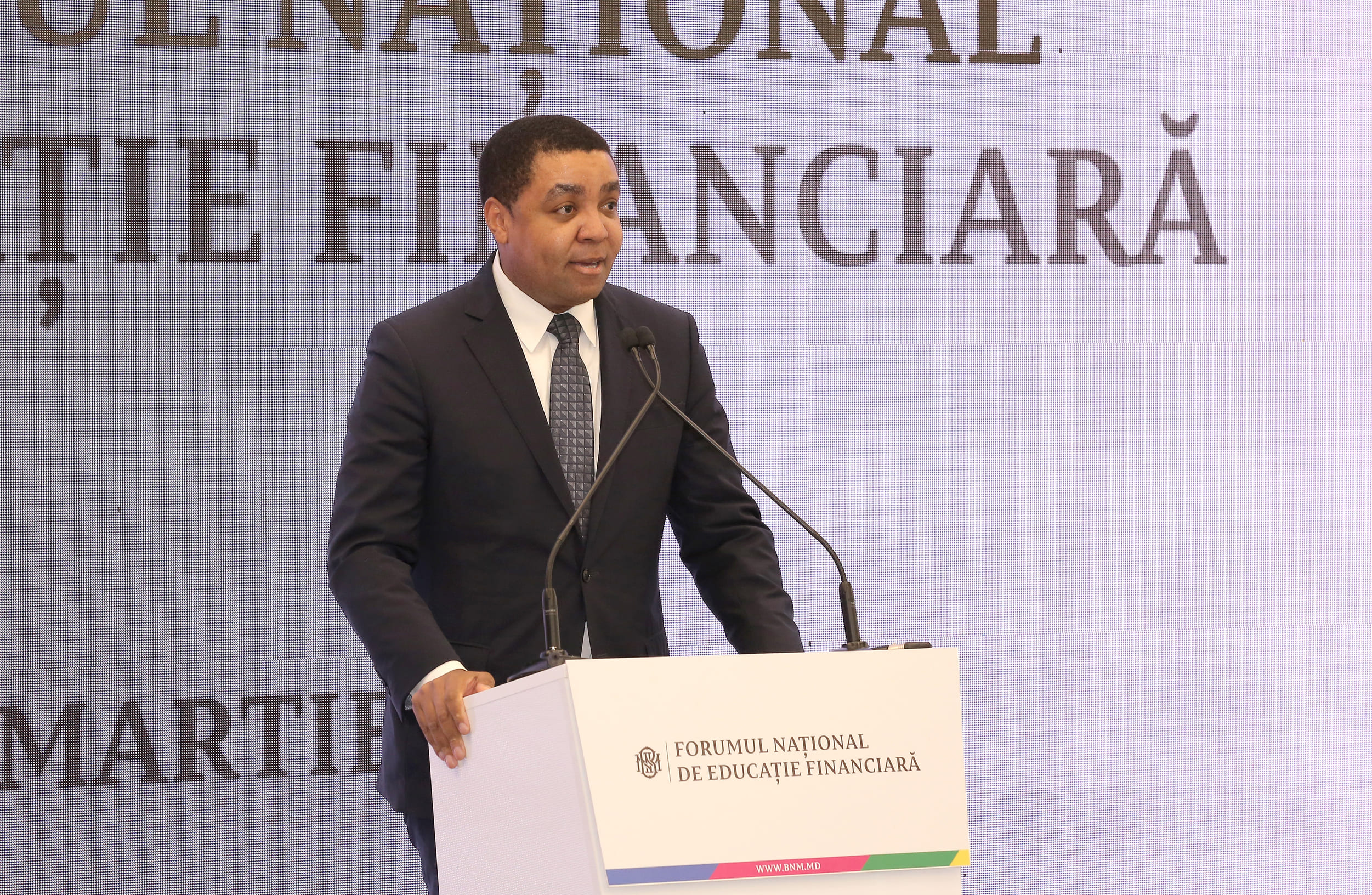
The representative of the IMF in the Republic of Moldova, Rodgers Chawani, states that financial education increases the population’s well-being, strengthens the state’s financial stability and improves public policies. “Financial education is a direct path to financial well-being. Consider the 6% of Moldovan citizens who do not have a bank account. Indifference leads to financial crises. We need to talk to people about how to borrow and invest wisely”, the IMF official noted.
Inguna Dobraja, the representative of the World Bank in the Republic of Moldova, affirms, in turn, that financial education contributes to the country’s financial stability. “Only 8% of Moldovans save in the form of investments. This figure must increase. If consumers are financially literate, they will make the right decisions and be confident in financial matters. All this will contribute to financial stability”, the World Bank official pointed out.
Likewise, the Ambassador of the United Kingdom of Great Britain and Northern Ireland to the Republic of Moldova, Steven Fisher, believes that financial education is a subject that must be treated seriously. “Financial education was first introduced into the school curriculum in England in 2014 and is now taught in secondary school, being one of the important themes... In 2021, the importance of financial education was emphasized in the Strategy for the country’s well-being, aiming that by 2030, an additional two million children will have access to financial education”, stated Steven Fisher.
Laura Hruby, Deputy Chief of Mission and Chargé d'Affaires at the United States Embassy to the Republic of Moldova, mentioned that the USA supports, through programs, important initiatives to strengthen security. At the same time, financial education illustrates such a topic: “The United States government is committed to promoting education and financial inclusion in Moldova, and we enjoy the partnership with the National Bank of Moldova, including through the USAID Program “Institutional and Structural Reforms in Moldova.” Our collaboration is not limited here. We are in the process of launching a national financial education campaign and will soon begin work on developing the first National Financial Education Strategy”, said Laura HRUBY.
Carmine Di Noia, Director of the Directorate for Financial and Enterprise Affairs of the Organization for Economic Co-operation and Development (OECD), noted that the Republic of Moldova is taking a step forward in the development of the National Financial Education Strategy: “A national strategy is a key tool that facilitates cooperation between stakeholders, especially when it benefits from a strong involvement of the public sector. National strategies have a purpose and can make a difference by changing citizens’ financial habits, helping them take control of their finances and improving their financial well-being,” said Carmine Di Noia.
Three debate sessions followed the official part of the meeting:
During these sessions, topics such as the importance of the financial education strategy for the well-being of citizens and the economic development of the country, the results of financial education at the regional level, the collaboration between public and private institutions and its contribution to financial education, the training of the young generation to integrate into the market economy, financial education in educational institutions and its significance in the age of digitization.
The meeting brought together almost 150 participants: officials from our country and abroad, economic experts, representatives of the banking and educational communities, the business environment and civil society.
The forum was organized as part of the Global Money Week 2023, to which 176 countries have joined.