Bine ați venit pe pagină oficială a Băncii Naționale a Moldovei!
×
Ai vederea bună și dorești să închizi acest instrument?



Bine ați venit pe pagină oficială a Băncii Naționale a Moldovei!
Cele mai populare rapoarte statistice:
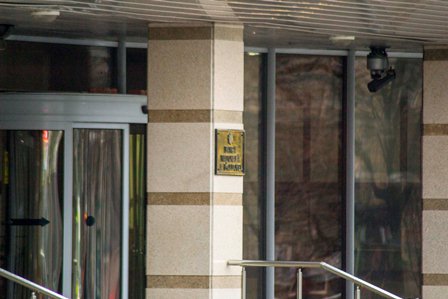
Banca Naţională şi membrii organelor de conducere ale acesteia sunt independenţi în exercitarea atribuţiilor stabilite de lege şi nu pot solicita şi nici accepta instrucţiuni de la autorităţile publice sau de la orice altă autoritate.

Banca Naţională informează publicul despre evoluția inflației anuale, strategia de politică monetară,rezultatele analizei macroeconomice, evoluţiei pieţei financiare şi informaţia statistică, inclusiv privind masa monetară, acordarea creditelor, balanţa de plăţi şi situaţia pieţei valutare.

Pentru asigurarea şi menţinerea stabilităţii preţurilor pe termen mediu, Banca Naţională a Moldovei menţine inflaţia (măsurată prin indicele preţurilor de consum) la nivelul de 5.0 la sută anual cu o posibilă abatere de ± 1.5 puncte procentuale, fiind considerat nivelul optim pentru creşterea şi dezvoltarea economică a Republicii Moldova pe termen mediu.

Stabilitatea financiară se realizează prin consolidarea rezilienței sistemului financiar, limitarea efectului de contagiune și diminuarea acumulării de riscuri sistemice, contribuind, astfel, la sustenabilitatea sectorului financiar și creșterea economică.
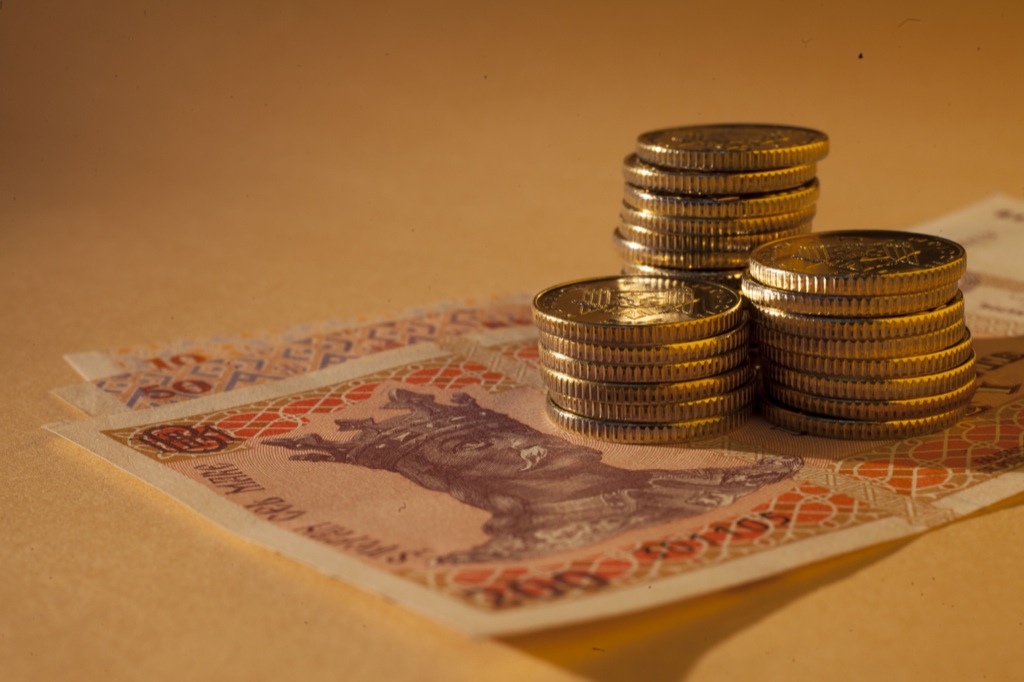
Banca Naţională a Moldovei, are dreptul exclusiv de a emite pe teritoriul Republicii Moldova bancnote şi monede metalice ca mijloc de plată. BNM pune în circulaţie bancnote şi monede metalice, prin intermediul sistemului bancar.

Banca Naţională este unica instituţie care efectuează licenţierea, supravegherea şi reglementarea activităţii instituţiilor financiare.
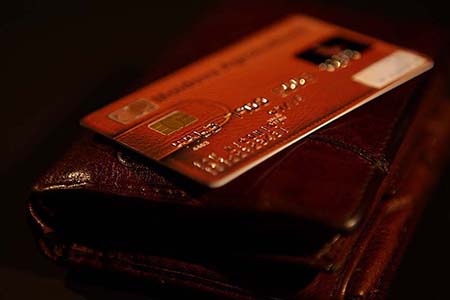
Banca Națională supraveghează sistemul de plăţi în Republica Moldova şi promovează funcţionarea stabilă şi eficientă a sistemului automatizat de plăţi interbancare.
Banca Naţională este o persoană juridică publică autonomă şi este responsabilă faţă de Parlament.

BNM publică statistici privind masa monetară, sectorul bancar, balanța de plăți, situația pieței valutare, etc. pentru a asigura transparența în procesul de elaborare și adoptare a deciziilor BNM, a asigura continuitatea în comunicare și predictibilitatea BNM pe piață, pentru sporirea credibilității BNM în calitate de bancă centrală dar și pe piața financiar-bancară din Republica Moldova.
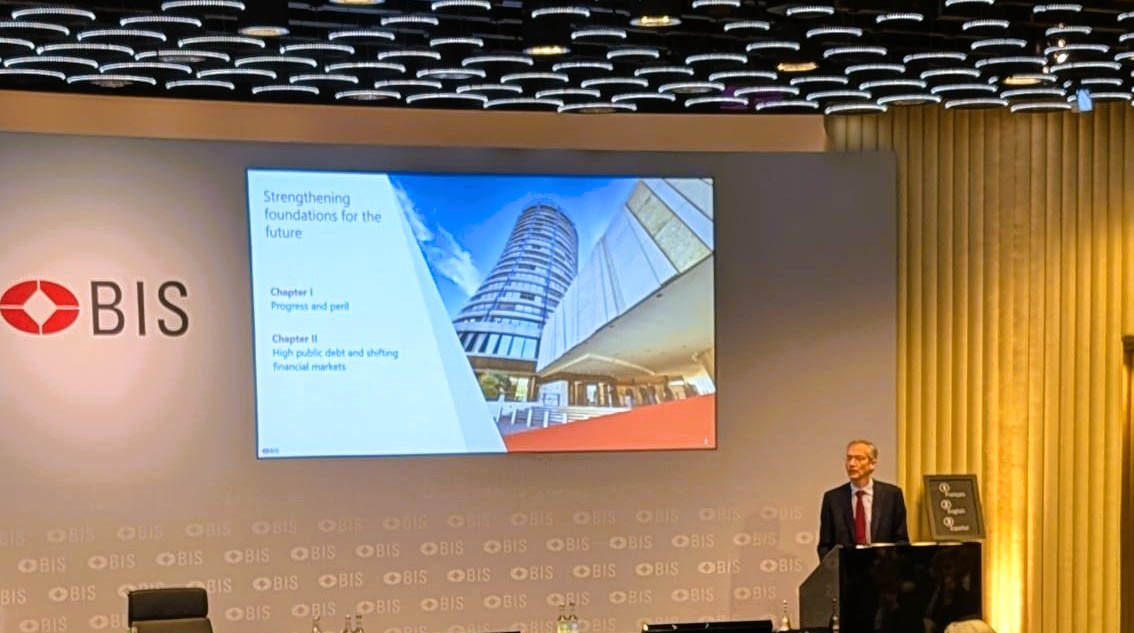
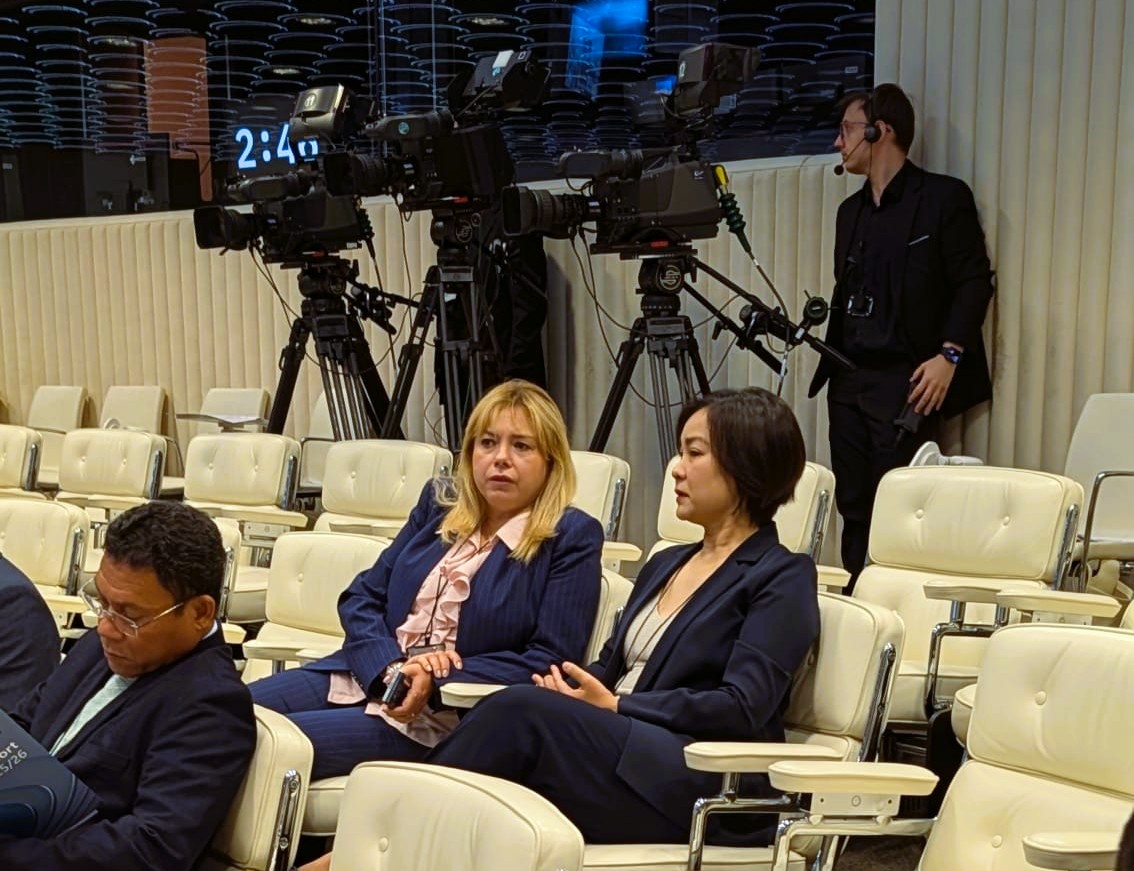
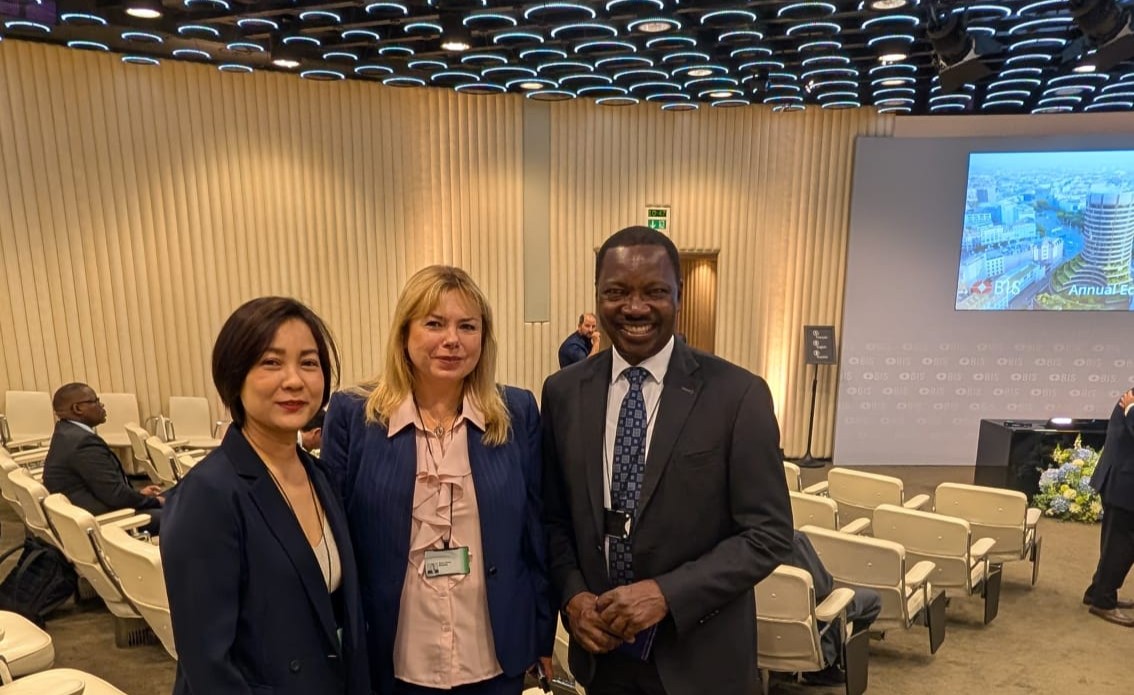
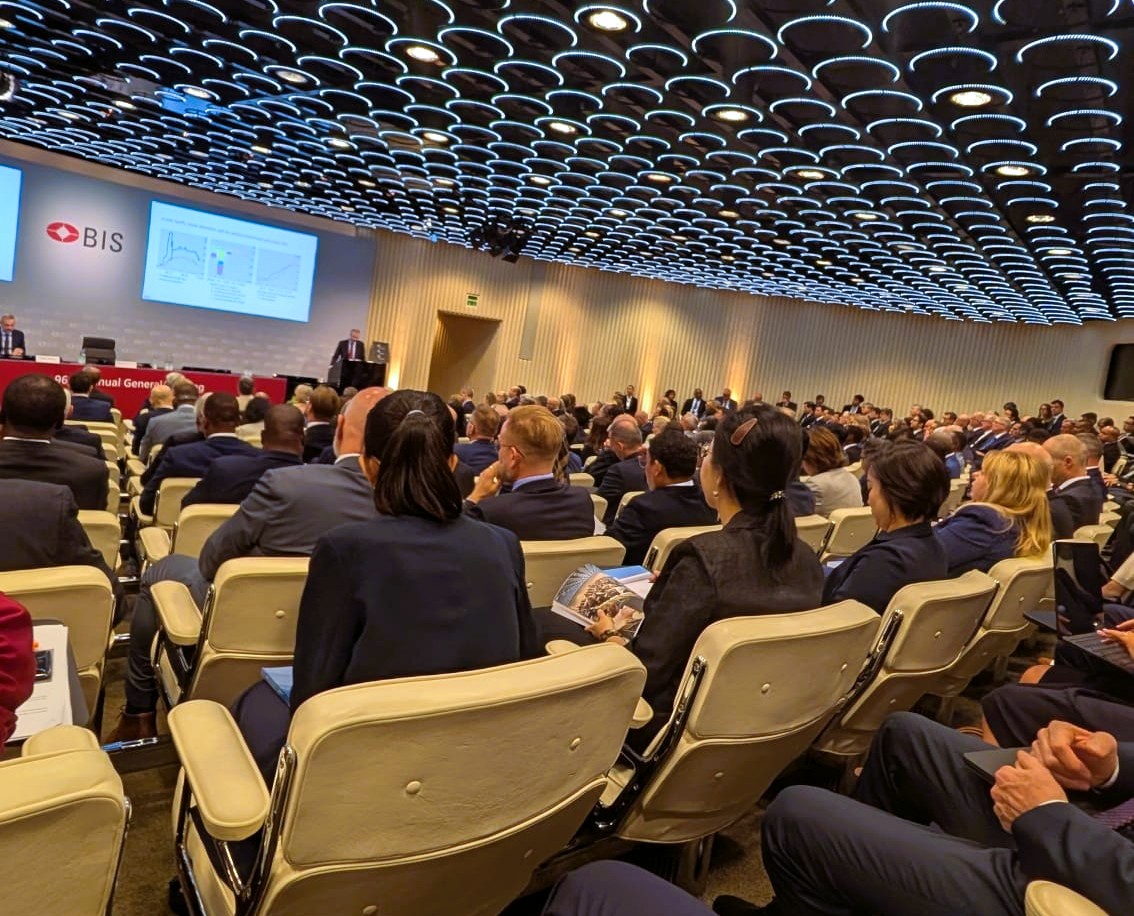
The Governor of the National Bank of Moldova, Ms. Anca Dragu, attended the Annual General Meeting of the Bank for International Settlements (BIS), held in Basel, Switzerland, on June 27–28, 2026. This year's agenda focuses on addressing the challenges of implementing monetary policy and safeguarding macro-financial stability in an international economic environment marked by geopolitical uncertainty, while also exploring the opportunities presented by accelerated financial innovation and the effective management of systemic risks associated with artificial intelligence.
During the event, the Governor of the National Bank of Moldova (NBM) highlighted the importance of keeping pace with technological developments in the financial system.
"For the National Bank of Moldova, European integration is a tangible process of institutional modernisation, based on strengthening the regulatory and supervisory framework, developing modern financial infrastructures, and building a resilient financial sector capable of ensuring stability, confidence and economic growth. Dialogue with the central banks of the European Union and participation in major international platforms of this calibre foster the exchange of experience and best practices, supporting the strengthening of institutional capacity and alignment with European and international standards. In line with its mandate, the NBM will continue to promote the modernisation of the financial sector for the benefit of the citizens and the economy of the Republic of Moldova," said Ms Anca Dragu.
The first thematic session on the meeting's agenda, organised by the Financial Stability Institute, is dedicated to analysing the impact of stablecoins on the monetary system.
Discussions focus on the risks associated with the growing use of digital monetary instruments in emerging and developing economies, where exchange rate volatility is driving the adoption of private payment instruments, with implications for the autonomy of national monetary policy and the effectiveness of regulatory frameworks.
The meeting agenda also includes a session on strengthening cyber resilience, during which participants are presented with the results of Project Leap, conducted by the BIS Innovation Hub in collaboration with the central banks of Italy, France and Germany. The project demonstrated the technical feasibility of migrating payment systems to cryptographic mechanisms resistant to quantum computers, in anticipation of European initiatives that call for this security transition to begin as early as this year.
Participants are also reviewing the outcomes of Project Agorá, an initiative bringing together seven central banks and more than 40 regulated private-sector financial institutions to test a shared digital platform aimed at making high-value cross-border payments faster, more secure and more transparent, without replacing the existing correspondent banking system.
The National Bank of Moldova's participation in the BIS Annual General Meeting reflects the institution's commitment to aligning the national framework with European Union standards and strengthening cooperation with the international financial community. The Bank's presence at this forum also reaffirms its determination to adopt global best practices in modernising the national payments infrastructure and ensuring sustainable macroeconomic stability.


