
Bine ați venit pe pagină oficială a Băncii Naționale a Moldovei!



Bine ați venit pe pagină oficială a Băncii Naționale a Moldovei!
Cele mai populare rapoarte statistice:

Banca Naţională şi membrii organelor de conducere ale acesteia sunt independenţi în exercitarea atribuţiilor stabilite de lege şi nu pot solicita şi nici accepta instrucţiuni de la autorităţile publice sau de la orice altă autoritate.



Banca Naţională informează publicul despre evoluția inflației anuale, strategia de politică monetară,rezultatele analizei macroeconomice, evoluţiei pieţei financiare şi informaţia statistică, inclusiv privind masa monetară, acordarea creditelor, balanţa de plăţi şi situaţia pieţei valutare.


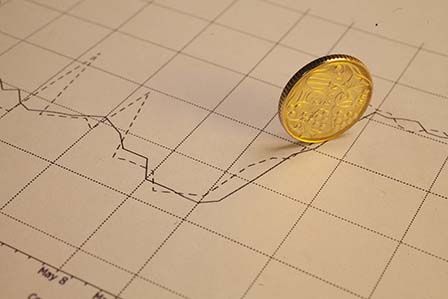
Pentru asigurarea şi menţinerea stabilităţii preţurilor pe termen mediu, Banca Naţională a Moldovei menţine inflaţia (măsurată prin indicele preţurilor de consum) la nivelul de 5.0 la sută anual cu o posibilă abatere de ± 1.5 puncte procentuale, fiind considerat nivelul optim pentru creşterea şi dezvoltarea economică a Republicii Moldova pe termen mediu.




Stabilitatea financiară se realizează prin consolidarea rezilienței sistemului financiar, limitarea efectului de contagiune și diminuarea acumulării de riscuri sistemice, contribuind, astfel, la sustenabilitatea sectorului financiar și creșterea economică.



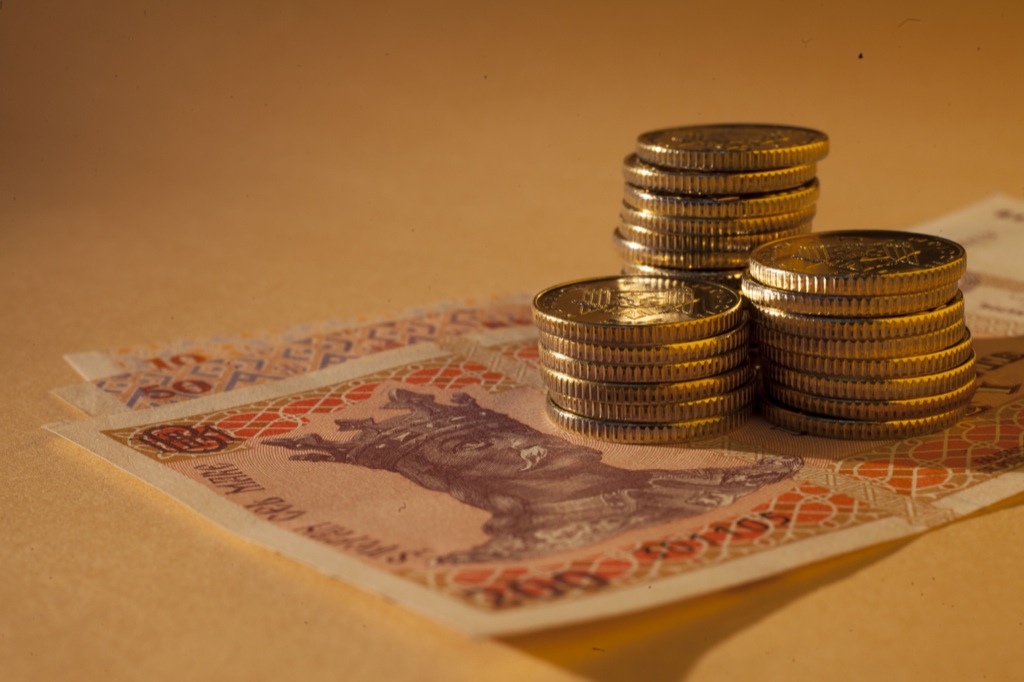
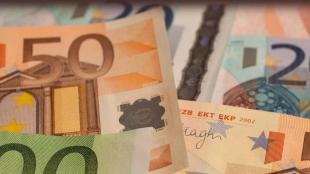
Banca Naţională a Moldovei, are dreptul exclusiv de a emite pe teritoriul Republicii Moldova bancnote şi monede metalice ca mijloc de plată. BNM pune în circulaţie bancnote şi monede metalice, prin intermediul sistemului bancar.




Banca Naţională este unica instituţie care efectuează licenţierea, supravegherea şi reglementarea activităţii instituţiilor financiare.
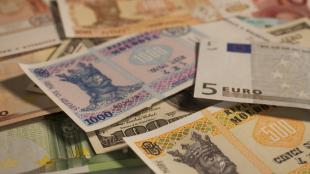


Banca Națională supraveghează sistemul de plăţi în Republica Moldova şi promovează funcţionarea stabilă şi eficientă a sistemului automatizat de plăţi interbancare.

Banca Naţională este o persoană juridică publică autonomă şi este responsabilă faţă de Parlament.

BNM publică statistici privind masa monetară, sectorul bancar, balanța de plăți, situația pieței valutare, etc. pentru a asigura transparența în procesul de elaborare și adoptare a deciziilor BNM, a asigura continuitatea în comunicare și predictibilitatea BNM pe piață, pentru sporirea credibilității BNM în calitate de bancă centrală dar și pe piața financiar-bancară din Republica Moldova.


NBM Governor Octavian Armașu presents the Monetary Policy Decision
The Executive Board of the National Bank of Moldova, at its meeting of 3 June 2022, adopted by unanimous vote the following decision:
The risks and uncertainties regarding the stability of consumer prices are major, which has determined the maintenance of the restrictive monetary policy stance. Furthermore, monetary policy measures are appropriate from several perspectives. These are related to moderating the second-round effects of external price shocks, balancing aggregate demand, stimulating savings over immediate consumption and easing pressures on the depreciation of the national currency due to rising current account deficit and capital outflow.
The monetary policy promoted by the NBM creates monetary conditions that can alleviate the alert growth rates of consumer prices and side effects of supply shocks. Thus, the NBM aims to anchor inflation expectations and bring inflation back within the range of ± 1.5 percentage points from the medium-term inflation target of 5.0%.
Regional and global economic conditions remain affected by the tense situation due to the war in Ukraine, and the associated risks and uncertainties, respectively. Inflation has risen globally at an accelerated pace, driven by continued growth in quotations on international markets for raw materials, food, and energy resources, along with disruptions in supply, production, and transportation chains.
Under these circumstances, central banks revised upwards their inflation forecasts for the coming quarters and, in response, maintained an anti-inflationary monetary policy. The regional and international context unbalances the domestic macroeconomic situation and puts pressure on inflation through the import channel. Compared to other states, the Republic of Moldova has an increased dependence on quotations and developments on international markets, which makes our country even more vulnerable to price shocks.
Evolution of inflation. The annual inflation rate rose from 22.2% in March to 27.1% in April 2022 due to overlapping factors. In addition to the import component of the inflationary process, an important factor that amplified inflation is the delay in adjusting regulated tariffs. The negative deviation of 0.3 percentage points in actual inflation from the forecast for April of this year, together with the delay in some rate adjustments and anticipated side effects, implies the probability of a downward deviation of the inflation forecast for the second quarter of 2022. At the same time, the tense situation in the region and the risks of its escalation maintain the uncertainty over the medium-term inflation forecast.
The factors that will determine the dynamics of inflation in the future will continue to be import prices for energy resources and food. The latter will possibly replace goods from Ukraine, and the respective pro-inflationary effects will activate supply factors through production costs.
Economic activity. Operational statistics published after the forecast round contained in the Inflation Report, May 2022, show conditions for positive economic growth in the first quarter of this year, but sharply attenuated compared to the previous quarter.
The medium-term outlook for GDP developments depends on the course of the war in Ukraine, and risks and uncertainties involved. In this sense, one can identify factors likely to affect the consumption of the population. On the one hand, there is a pro-inflationary impact from refugee demand and, on the other hand, a disinflationary impact from the perspective of mitigating the sources of consumption financing related to the contraction of remittances. Amid disruptions in supply chains and logistics of foreign trade, the trend of product substitution and restructuring of economic sectors persists. Due to the increase in the cost of mineral fertilizers and energy resources, farmers must bear high costs, which set conditions for lower agricultural activity this year and maintenance of high levels of food prices.
Monetary conditions, adjusted by the restrictive monetary policy promoted, remain favourable to support savings, attractiveness of deposits and, at the same time, attenuation of population’s consumption, as well as consumer credit which warms the economy and fuels pro-inflationary pressures.
Recent analyses show an increase in interest rates on new loans in national currency and, respectively, a moderation in lending rates, weakening the pressures on the inflationary process. Although the rates on new deposits attracted in national currency continue the upward trend, depositors are reluctant amid uncertainties about the developments in the armed conflict in the neighbouring country. However, the weekly data signal the trend of a rising volume of new deposits attracted in Moldovan lei, after its decrease in March of this year.
Global, regional, and national risks and uncertainties are amplified by the repercussions of the military conflict in Ukraine, and the outlook for economic conditions in the context of these events is precarious. The analysis and evaluation of the available macroeconomic information, after the elaboration of the forecast round in April 2022, signalled the persistence of a risk of upward deviation from the medium-term inflation forecast for the entire forecast horizon, except for the second quarter of this year.
The estimation of the deviation risk is based on external assumptions associated with lower global economic activity and higher international oil and food prices compared to the expectations in the Inflation Report, May 2022. In addition, the risks from the internal environment, related to the possible actions of authorities to support the population and economic operators in the following periods, as well as the adjustment of the regulated tariffs, will have a pro-inflationary influence.
Subsequent decisions of the Executive Board will depend on the dynamics and medium-term outlook for inflation, while monitoring and assessing risks from the internal and external environment. At the same time, the NBM reiterates the need for coordination and interaction of monetary and fiscal measures to maximize their effects on the real economy and inflation.
The next meeting of the Executive Board of the NBM on the promotion of monetary policy will take place on 8 August 2022, according to the approved schedule.


